Richard Pryn
Stop making music in the dark
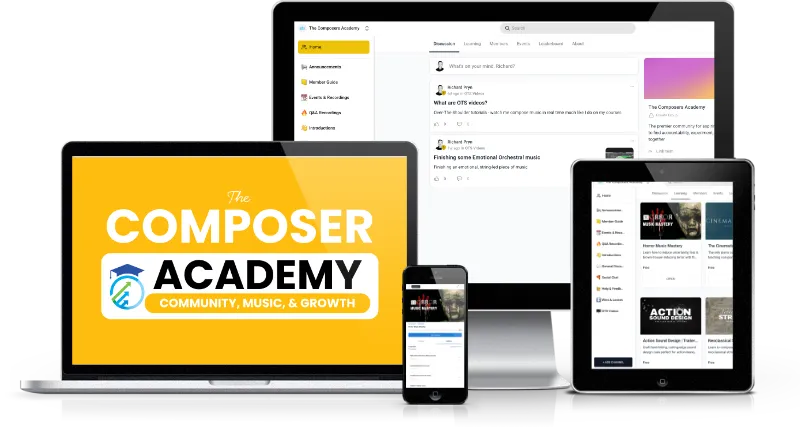
The Composer Academy is a community, course library, and monthly coaching space for composers who are serious about turning their music into a career - but aren't quite sure of the clearest path to get there.
🚀 28 courses. Bi-weekly live sessions. Real track feedback. A community of composers doing the actual work.
You can write music.
That's not the problem.
The problem is you're doing it alone, without a clear path, watching your hard work disappear into the void while the algorithms shift and the goalposts move.
Maybe you've bought courses.
Maybe you've watched the YouTube videos, tried the email list, posted on Instagram. Maybe, like me, you've even built things that worked - and then watched them stop working.
What you actually need isn't more information. It's direction, feedback, and a room full of people who get it.
That's what the Composer Academy is.
"The perfect next step"

"Discovering Rich and his podcast is what first inspired me to start writing trailer music, and The Composer Academy has been the perfect next step in that journey. The weekly calls and feedback offer real guidance and a clear path that fits my goals. The community and regular check-ins keep me consistent and moving forward with confidence. I’d recommend the Academy to any composer looking for direction in the trailer or production music world." - Jake Cox - Composer
Who This is For
✅
If you're making music seriously but not yet making a living from it, this is for you.
Specifically: if you're writing for libraries, trailers, sync or production music (or want to be), if you're tired of working in isolation with no feedback on whether you're actually getting better, and if you've got enough information already and what you actually need is direction - that's exactly who I built this for.
❌
If you're looking for a shortcut, if you're not willing to actually make music and put it in front of people, or if the idea of a community feels like something you'd never use. And if you're expecting this to make you rich quickly - it won't. No hard feelings either way.
When you join, you get:
28 courses, available immediately:
Trailer music, production music, sync, horror, cinematic piano, lofi, sound design and more. Work through them at your own pace, in whatever order makes sense for where you are. No drip-feeding, no waiting..
Monthly Live Sessions with me:
Two sessions a month. One is open Q&A and career strategy - bring whatever's on your mind. The other is focused on tracks. Bring something you're working on, something you're stuck on, or just show up and listen. Everything is recorded if you can't make it live.
Track feedback:
Submit your music and get real notes. Not "this is great, keep going." Actual specific feedback on what's working, what isn't, and what to do about it. This is the thing members tell me they value most.
A Private Community of other composer:
Not a Facebook group that sits there gathering dust. A room of people at all different stages, sharing what they're making, asking questions, keeping each other honest. Some of the best conversations I've had about composition have happened in there.
My custom Kontakt instruments and sample packs:
Everything I've built for my own sessions, included at no extra cost. Use it in your own music.
Monthly Challenges:
One focused task per month to make sure you're actually making music, not just consuming information about making music. There's a difference, and it matters.
Why Listen To Me?

Fair question. Here's the honest answer.
I've been a working composer for over a decade. In that time my music has been placed in campaigns for Netflix, Disney, Google, Toyota and Unilever - through production music libraries who trusted my work enough to sign it and pitch it to some of the biggest brands in the world.
I've also built two music schools, launched more courses than I can count, been tanked by a Google algorithm update, lost my biggest clients, and had to start again from scratch.
Which is actually why I'm qualified to teach this.
I know what it feels like to build something real and watch it fall apart. I know the specific panic of wondering where the next income is coming from. And I know - from hard experience - what actually works when it comes to writing music that earns, and what's just noise.
The Composer Academy exists because I wished it had existed when I was starting out. Not a course full of theory. A real place, with real feedback, from someone who's navigated the industry and lived to tell the tale.
I'm not here to sell you a dream. I'm here to help you build the skills.
What's Inside the Course Vault
29 courses included with your membership - work through them at your own pace.
TRAILER MUSIC COURSES
Trailer Music for Beginners
Never written a trailer cue before? Start here. Covers what a trailer cue actually needs, and why it's different from everything else you've written.
Trailer Music Essentials
The core building blocks: structure, tension, and the moments that make a cut feel inevitable.
The Trailer Music Course
The comprehensive one. Brief to bounce, concept to placement-ready track.
Hybrid Trailer Music Course
How to combine orchestra and electronics without it sounding like two different tracks that ended up in the same file.
Slowburn Trailer Music
The atmospheric end of the spectrum. Building tension without the big explosion.
Action Sound Design
Impacts, hits, risers, whooshes. The designed elements that make a modern trailer hit as hard as it does.
Dark Thriller Trailer Music
Suspense, psychological unease, the sound of something being very
Action Comedy Drums
Punchy, rhythmic, doesn't take itself too seriously. The percussion side of trailer music that actually has a sense of humour.
Dark Fantasy Trailer Music
Epic, mythological, the kind of music that makes a dragon feel like it always existed.
Neoclassical Strings
String writing that sits comfortably between the concert hall and the sync library.
CINEMATIC & ORCHESTRAL
Tech: Cinematic Minimalism
Sparse, precise, slightly cold. The sound of intelligence, technology, and something unfolding quietly.
Cinematic Piano
How to write for piano in a way that feels cinematic rather than just classical or ambient. (This is a three-course bundle)
Plucked: Pizzicato Strings
Pizzicato textures and techniques that add character without crowding a mix. Perfect for sync.
Uplifting Orchestral
The feel-good, soaring stuff. Harder to do well than it looks - this is how to stop it sounding generic.
Cinematic Folk
Acoustic instruments, warmth, the human texture that a full orchestra sometimes can't quite reach.
Euphoria: Cinematic Pop Rock
Where the orchestra meets guitars and pop drums, and it actually works.
Uplifted: Feel Good Cinematic Pop
Lighter, brighter, the kind of music that ends a segment on the right note.
Soundbox: Cinematic Sound Effect Design
Sound design treated as a musical element rather than something you add at the end.
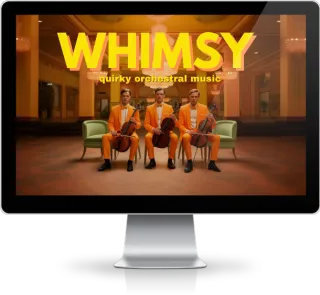
Whimsy: Quirky Orchestral
Playful, a bit odd, the kind of music that works in something unexpectedly funny.
Production Music & Sync
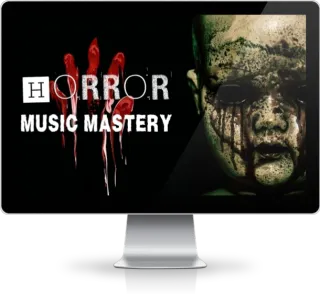
Horror Music Mastery
Dissonance, dread, the techniques that make horror music actually unsettling rather than just dark.
Cinematic Hip Hop
The coolness of Hip-Hop with cinematic weight. Moody, considered, the kind of track that sits well in a montage.

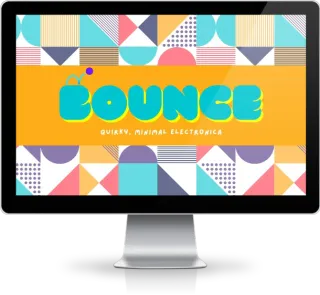
Bounce: Quirky Minimal Electronica
Minimal, a bit playful, the kind of track that ends up in an advert for something oddly specific.
Lofi Music
The lofi sound done properly: warm, imperfect, and more deliberate than it looks.

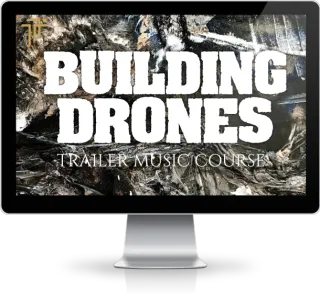
Building Drones
Textural, ambient, long-form tension. The music that works underneath everything else.
Cool Dark Pop
Dark, confident, a bit cinematic. The track that ends up in a car advert filmed at night.

Swagger
Riff-driven, full of attitude. The kind of music that walks into a room before you do.

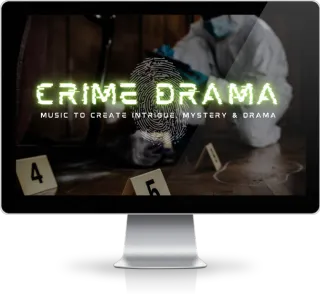
Crime Drama
Gritty, procedural, the sound of a detective staring at a board covered in red string.
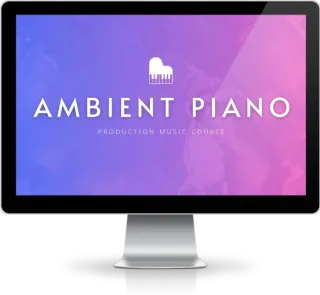
Ambient Piano
Piano as texture rather than melody. Spacious, atmospheric, and more versatile for sync than it first appears.
What Happens When You Join
Join today
You'll get instant access to all 29 courses and the private community. No waiting, no drip-feeding. It's all there from the moment you sign up.
Start with the Launchpad
The Composer Launchpad is your first month sorted. It's a short foundational course that cuts through the noise and tells you exactly where to focus your energy based on where you actually are right now - not where you think you should be.
Come to your first live call
Dates are posted in the community as soon as you're in. Bring a track you're working on, a question you've been sitting on, or just show up and listen. Most people find the first call is when it clicks that this is something different.
PRICING
Choose Your Plan
MONTHLY MEMBERSHIP
£39 /month

No contracts - cancel anytime
SAVE £69 PER YEAR
£399 /year
Bi-weekly office hours with Rich
Bi-weekly live streams
Full access to all of Rich's courses - all 29 of them
Access to Rich's Composer Toolkit of custom Kontakt Instruments
Monthly goal-focused challenges to keep you writing music
Track feedback to help you better understand and see your progress
Special guest interviews
No contracts - cancel anytime
🔒 The No-Risk Guarantee

Show up. Watch a course. Come to one live call. If after 30 days you don't feel the Academy is worth every penny, email me and I'll refund your first month in full. No hoops, no hard feelings.
"You’ll be welcomed by all and have all the support you need"

"Before I joined I was really struggling with momentum and accountability. Since joining the group, I have been able to finish tracks a lot quicker than I could previously. The monthly challenges have really helped me with this, and at times they have taken me out of my comfort zone and explore different styles. Rich is a master at his craft and getting feedback and advice from him is a privilege."
Dom Matthews, composer
"I've already seen real progress"

"I had been learning a lot from Rich’s YouTube content and wanted to dive deeper into trailer music, so I decided to sign up for the Composers Academy. Even after just one month, I’ve already seen real progress. Rich’s feedback and courses have helped me refine my tracks and get them to a point where I feel comfortable pitching them. I’ve also started connecting with new publishers, which is something I was struggling with before. The clarity and confidence I’ve gained have been huge, and it’s been an incredibly valuable experience so far."
Jacob Cardona, composer
"The best investment in my career to date"
Marlon Schaeffer - Composer
You've Still Got Questions 👍🏻
What's included each month?
Every month you get two live sessions with me - one focused on Q&A and career strategy, one on track feedback and hotseat coaching. You also get a new monthly challenge to make sure you're actually making music and not just watching tutorials. All sessions are recorded, so if life gets in the way (it will), you won't miss anything.
What makes this different from just buying a course?
A course gives you information. The Academy gives you direction, feedback, and a room full of people who are further along than you. Most composers don't fail because they lack knowledge - they fail because they're doing it alone, without feedback, without accountability, and without anyone to tell them when they're on the right track. That's what this fixes.
How much time do I need each month?
Realistically? A few hours. The live sessions are about 60 minutes each. Beyond that, it's entirely up to you - some members go deep into the course vault, others just show up to the calls. There's no minimum requirement. This is your membership, not a homework assignment.
I'm a beginner - is this right for me?
Yes, if you're serious about actually making music professionally. The Composer's Launchpad inside the vault is specifically designed for composers at the start of their journey. And honestly, starting inside a community of experienced composers is one of the fastest ways to close the gap - you'll learn more from one good conversation than from hours of solo YouTube watching.
I'm already fairly experienced - will I still get value?
Probably more than a beginner, actually. The live sessions are where experienced composers tend to get the most out of the Academy - bringing real projects, real career questions, and getting specific feedback rather than general guidance. The vault is there if you want it, but the calls are where the real work happens.
Are the monthly calls recorded if I can't make it?
Every single one. They live in the vault permanently, so you can watch back at any point. If you want to submit a question or a track for feedback but can't attend live, just drop it in the community beforehand and I'll cover it on the call.
What genres and styles are covered in the courses?
Trailer music, production music, sync licensing, horror music, cinematic piano, dark thrillers, action sound design, neoclassical strings, Logic Pro X, and more - 28 courses in total. The focus is primarily on writing music that earns: library music, placements, sync. If you want to write music for film, TV, ads, or trailers, you're in the right place.
How is this different from free YouTube tutorials?
YouTube tutorials give you techniques. The Academy gives you a path. There's a big difference between knowing how to write a trailer cue and knowing which trailer cue to write, where to send it, what libraries are looking for, and why your last three submissions got rejected. That context is what the courses, calls, and community provide - and it's not something an algorithm will surface for you.
Can I cancel anytime?
Yes. No contracts, no awkward cancellation flows, no "are you sure?" guilt trip emails. Cancel before your next billing date and you won't be charged again. If you're on the fence, the monthly plan is the lowest-risk way to try it - one month, see if it's right for you.
What if I join and it's not right for me?
Then cancel. Genuinely. I'd rather have 100 members who are getting real value than 200 who feel stuck in something that isn't working for them. If you join, show up to a couple of calls, go through the course material, and it's not clicking - cancel and I'll refund your first month, no questions asked.
The truth is, I built the Composer Academy because I wished it had existed when I was starting out - when I was making music in a vacuum, sending tracks into the void, and wondering if any of it was going anywhere.
If that's where you are right now, come and join us. I think you'll find it's exactly what you've been looking for.
- Rich